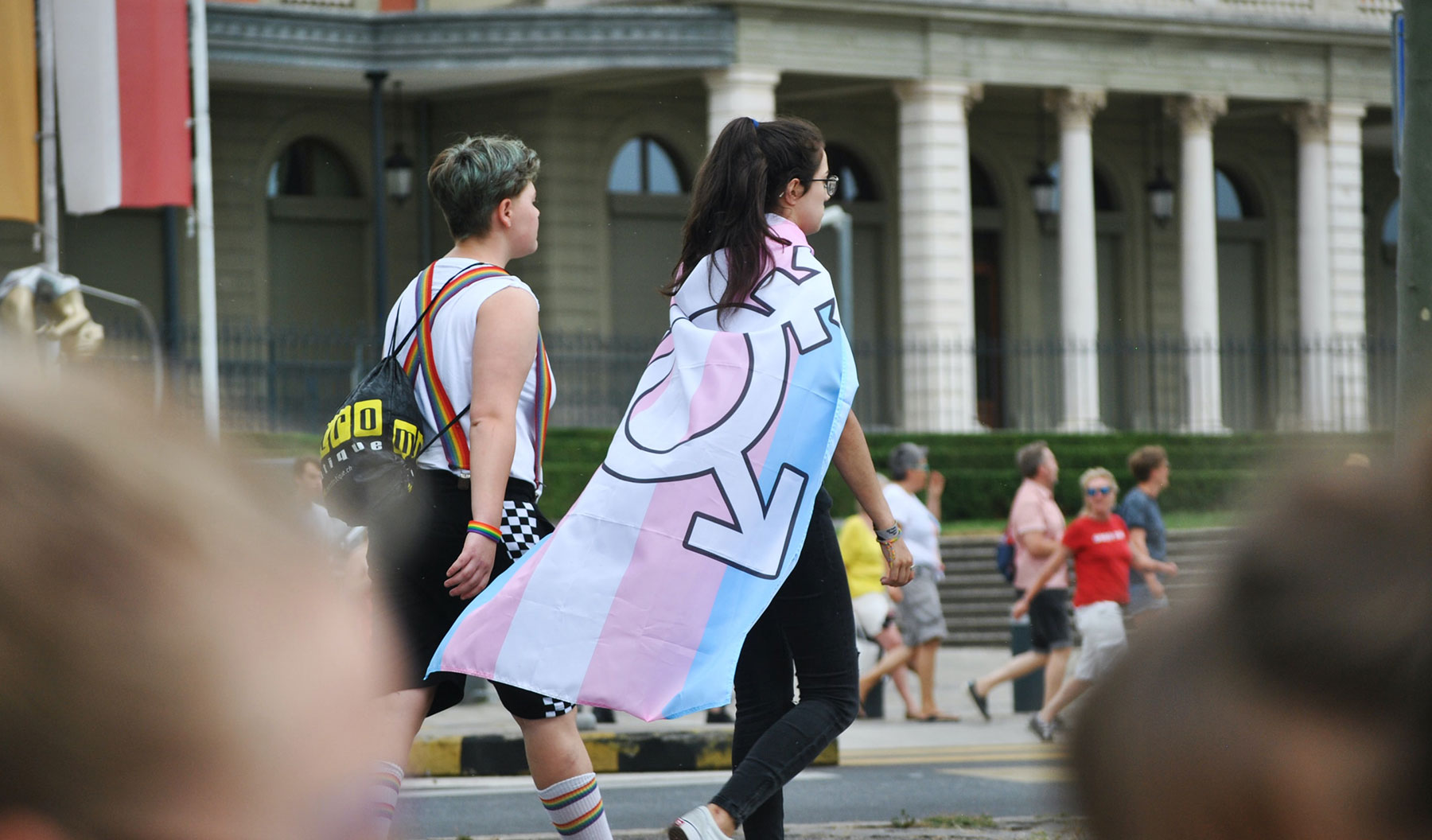
Transgender and LGBTQI individuals often face social isolation, violence, and discrimination, despite anti-discrimination laws in place at both State and Federal levels. They also navigate a complex and evolving legal landscape. Here’s how transgender rights in Australia compare with other countries, and what’s recently changed under Australian law.
Laws Against LGBTQI People in Other Countries – As of 2025
As of June 2025, 65 countries still criminalise consensual same-sex sexual activity. While this number has gradually declined over the past decade, the penalties in many of these countries remain extremely severe, including life imprisonment or even the death penalty.
Alarmingly, nearly half of these countries are members of the Commonwealth. These laws include prohibitions against sodomy, public displays of same-sex affection, and even expressions of LGBTQI+ identity. In some regions, transgender people are specifically targeted through laws criminalising “cross-dressing” or gender nonconformity.
Although Australia has no such laws, LGBTQI individuals may still be subject to them while travelling. Pullos recommends checking the Smart Traveller website before visiting any country where LGBTQI rights are restricted.
The penalties imposed in many of these countries are severe and violate basic human rights. Some of these penalties include the following:
Maximum Sentence – Life in Prison:
- Bangladesh
- Barbados
- Gambia
- Ghana
- Guyana
- Sierra Leone
- Tanzania
Maximum Sentence – Death:
- Iran
- Nigeria (northern states under Sharia Law)
- Saudi Arabia
- Somalia
- Mauritania
- Yemen
- Uganda (under the Anti-Homosexuality Act 2023, for “aggravated homosexuality”)
Parts of Iraq and Syria are controlled by extremist groups
For a full list of countries and laws, see the Human Dignity Trust criminalisation map.
Laws and Transgender Rights in Australia
The Sex Discrimination Act 1984 was amended in 2013 to include “gender identity” as a protected attribute, making it unlawful to discriminate on the basis of a person’s “gender identity”.
What does “gender identity” mean?
The Sex Discrimination Act defines gender identity as:
“The gender-related identity, appearance or mannerisms or other gender-related characteristics of a person (whether by way of medical intervention or not), with or without regard to the person’s designated sex at birth.”
What is Unlawful Discrimination on the Ground of Gender Identity?
Under section 5B of the Sex Discrimination Act 1984, it is unlawful to treat someone less favourably because of their gender identity, or because of characteristics associated with that identity, whether real or perceived.
This means discrimination can occur when:
- A person is treated unfairly because of their gender identity;
- They are treated unfairly because of a characteristic that commonly applies to others with the same gender identity (such as mannerisms, voice, or appearance);
- Or they are subjected to a condition or rule that disproportionately disadvantages people of that gender identity.
Put simply, it goes beyond protecting someone’s legal or medical status to include protecting how they present, express, and are perceived in daily life.
We share an example of unlawful discrimination against a person on the basis of their gender identity:
A waiter refuses to serve someone who presents as a man, but whom the waiter believes to be female based on their voice.
The Act protects individuals in key areas of public life, including employment, education, healthcare, sports, accommodation and the provision of services. However, some exemptions still exist (particularly for religious institutions) and the rules around legal gender recognition vary by state.
State and Territory Gender Recognition – The Law in 2025
In recent years, many states and territories have introduced reforms to allow transgender people to change their legal gender without the need for surgery. As of July 1 2025, all Australian states and territories will be in alignment, with no jurisdiction requiring surgical intervention for legal gender recognition.
Here’s the updated breakdown:
| Jurisdiction | Change of sex on birth certificates | Sex reassignment surgery required? | Non-binary gender recognised? |
| Australian Capital Territory | Yes | No | Yes |
| New South Wales | Yes | No (from July 2025) | Yes |
| Northern Territory | Yes | No | Yes |
| Queensland | Yes | No (since June 2024) | Yes |
| South Australia | Yes | No | Yes |
| Tasmania | Yes | No | Yes |
| Victoria | Yes | No | Yes |
| Western Australia | Yes | No (since May 2025) | Yes |
Queensland, Western Australia, and New South Wales are among the most recent to remove the surgical requirement. New South Wales’ updated eligibility requirements will come into effect on the 1st July 2025 as per the Equality Legislation Amendment (LGBTIQA+) Act 2024.
At Pullos Lawyers, we’re relieved and encouraged to see this long-overdue shift. We have long believed that requiring surgery to validate someone’s gender identity was both medically unnecessary and a breach of basic human rights. These national reforms reflect a more inclusive, respectful approach that affirms each person’s right to self-identify, without forcing them to undergo invasive procedures or meet outdated medical or marital criteria.
Recent Legal Developments
Landmark Anti-Discrimination Ruling (2024)
In a groundbreaking decision of Roxanne Tickle v Giggle for Girls Pty Ltd & Anor, the Federal Court awarded damages to a transgender woman, Roxanne Tickle, after she was excluded from the “Giggle for Girls” app. The court found that this exclusion constituted unlawful discrimination under the Sex Discrimination Act. This ruling reinforces that transgender women must be treated equally in services and spaces that cater to women.
Queensland’s Freeze on Puberty Blockers (2025)
As of January 2025, Queensland put a freeze on the prescription of puberty blockers and hormone therapy to minors pending an independent review. The move has sparked significant concern among medical professionals, advocates, and human rights groups, who argue it limits access to essential gender-affirming care for young people. The public has been invited to share their thoughts on puberty blockers and gender-affirming surgery in Queensland paediatric applications.
Ongoing Concerns
Although reforms have progressed, transgender Australians still face legal uncertainty and inequality in some areas:
- Discrimination exemptions still allow some religious schools and sporting organisations to legally exclude trans people.
- Healthcare access remains inconsistent, particularly for transgender youth.
Recognition of non-binary identities is not yet uniform across all jurisdictions.
Want to Know More About Transgender Rights in Australia?
At Pullos Lawyers, we are passionate advocates for the rights of LGBTQI and transgender people. If you would like to know more about transgender rights, or need advice on gender recognition, discrimination matters, family law implications, or broader LGBTQI legal issues, our experienced team is here to help. Please contact us via email, or call us in our Gold Coast office on (07) 5526 3646, or Brisbane office on (07) 3144 1641.
';